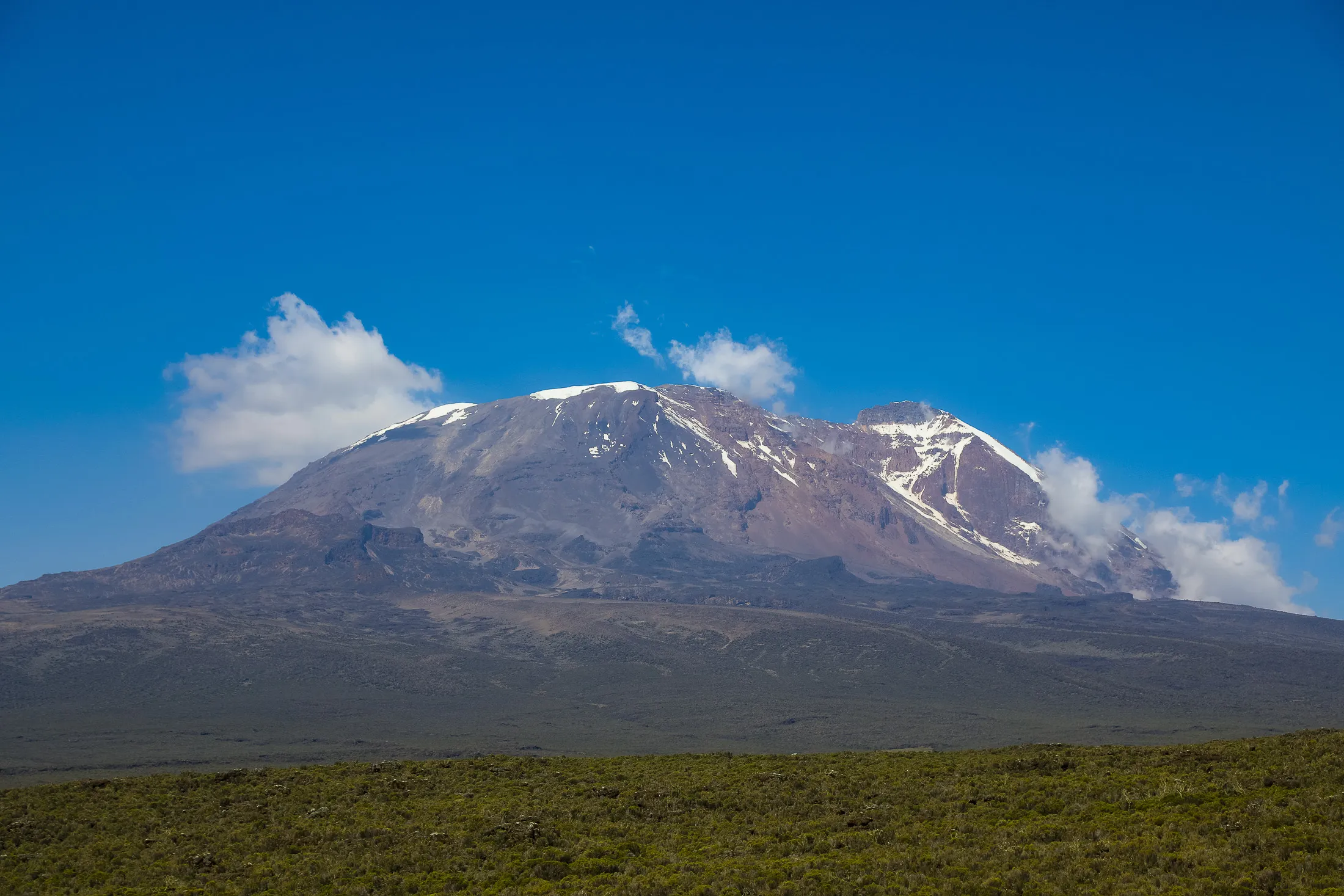
Rising majestically from the Tanzanian plains, Mount Kilimanjaro stands as Africa's highest peak at 5,895 meters (19,341 feet) above sea level. This dormant volcano, with its iconic snow-capped summit, offers one of the most accessible high-altitude treks in the world. Having guided numerous expeditions to Uhuru Peak, I'm excited to share what makes this climb a life-changing experience.
1. Choosing Your Route
Kilimanjaro offers several routes, each with unique features and difficulty levels. The Marangu route, often called the "Coca-Cola" route, is the most popular but also the most crowded. The Machame route, known as the "Whiskey" route, is more challenging but offers stunning scenery. For those seeking solitude, the remote Northern Circuit provides a longer, more gradual ascent with incredible views.

2. Acclimatization is Key
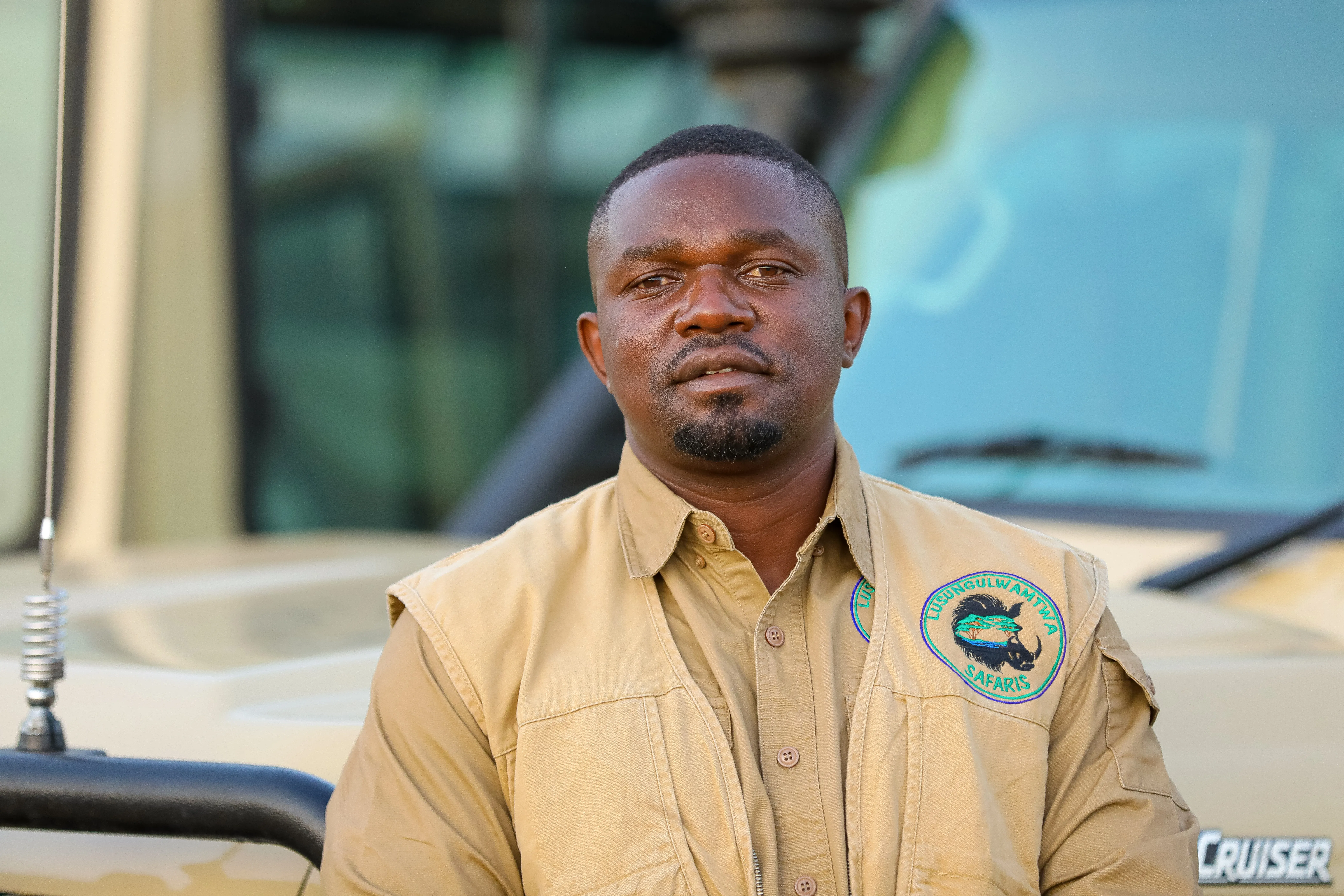
Altitude sickness is the primary reason climbers don't reach the summit. The key to success is proper acclimatization. Opt for routes that follow the "climb high, sleep low" principle, and consider adding an extra day to your itinerary. Our guides are trained to monitor your health and adjust the pace accordingly.
"The mountain doesn't care how fit you are. It only cares how well you can adapt to its altitude. Listen to your body, respect the mountain, and you'll be rewarded with views that will stay with you forever."
3. Physical Preparation
While technical climbing skills aren't required, excellent physical condition is essential. Focus on cardiovascular endurance through hiking, cycling, or running. Include strength training for your legs and core, and practice hiking with a weighted backpack. Remember, it's an endurance challenge, not a race.
Best Time to Climb
The best months are January-March and June-October for stable weather. January offers clear views but can be colder, while September provides warmer temperatures with a slight chance of precipitation.
Pro Tip
Arrive in Tanzania at least two days before your climb to adjust to the time difference and altitude. Consider a short safari first to help with acclimatization.
4. Summit Night: The Ultimate Test
Summit night is both the most challenging and rewarding part of the climb. Starting around midnight, you'll trek through the darkness with just your headlamp, navigating switchbacks up the steep slope. As the sun rises over the African plains, you'll reach Stella Point, with just another hour to Uhuru Peak, the highest point in Africa.
5. The Descent and Celebration
After summiting, you'll descend through multiple climate zones, from the arctic summit to the rainforest. The sense of accomplishment is overwhelming, and the celebration at the base camp is a moment you'll never forget. Most climbers receive their summit certificates the next day at the park headquarters.